
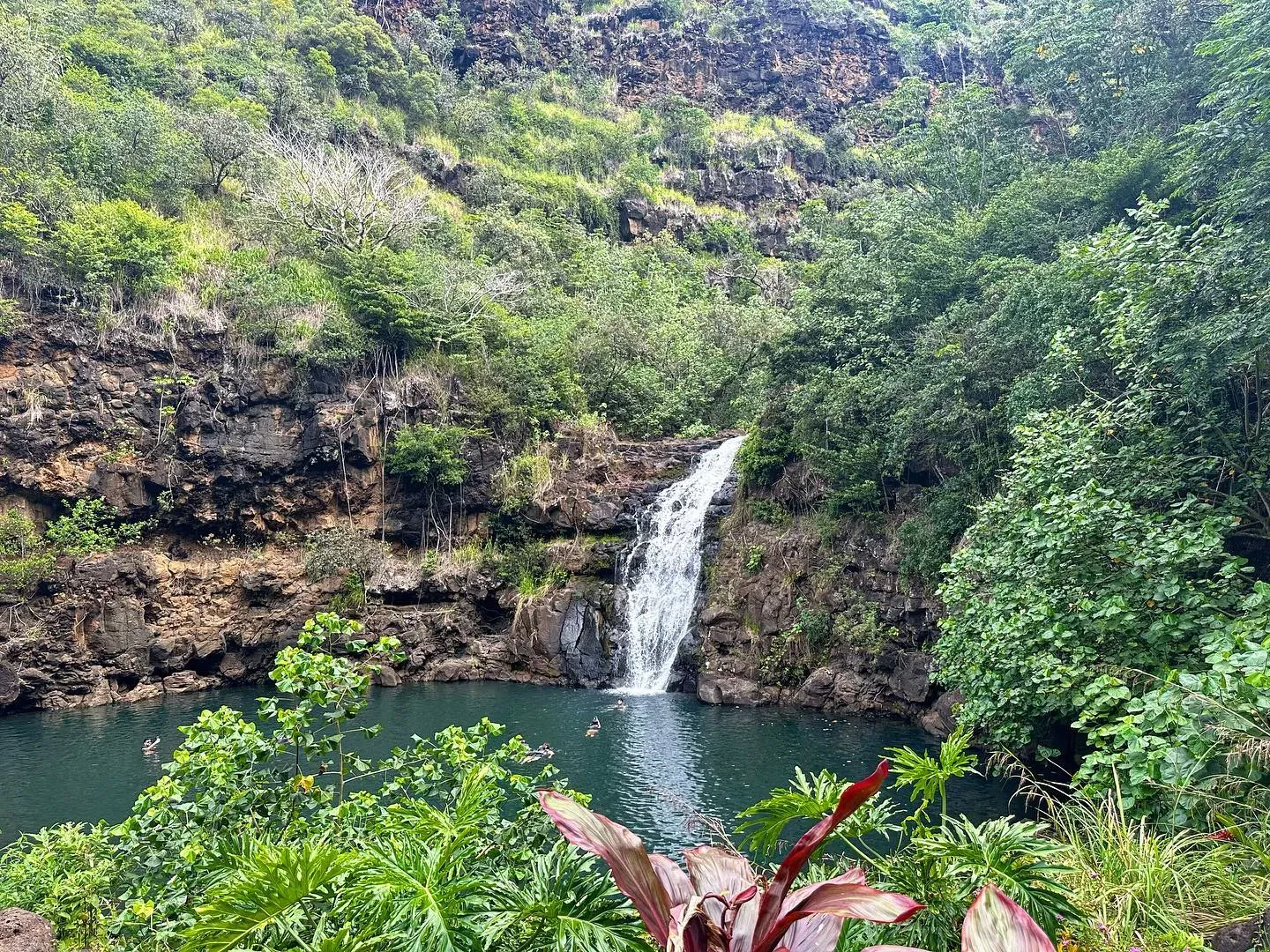
Walk a paved 0.75-mile trail through 60 themed botanical gardens to reach the 45-foot Waimea Falls. Visitors can swim in the natural freshwater pool at the base of the cascade while surrounded by 1,875 acres of sacred Hawaiian history.
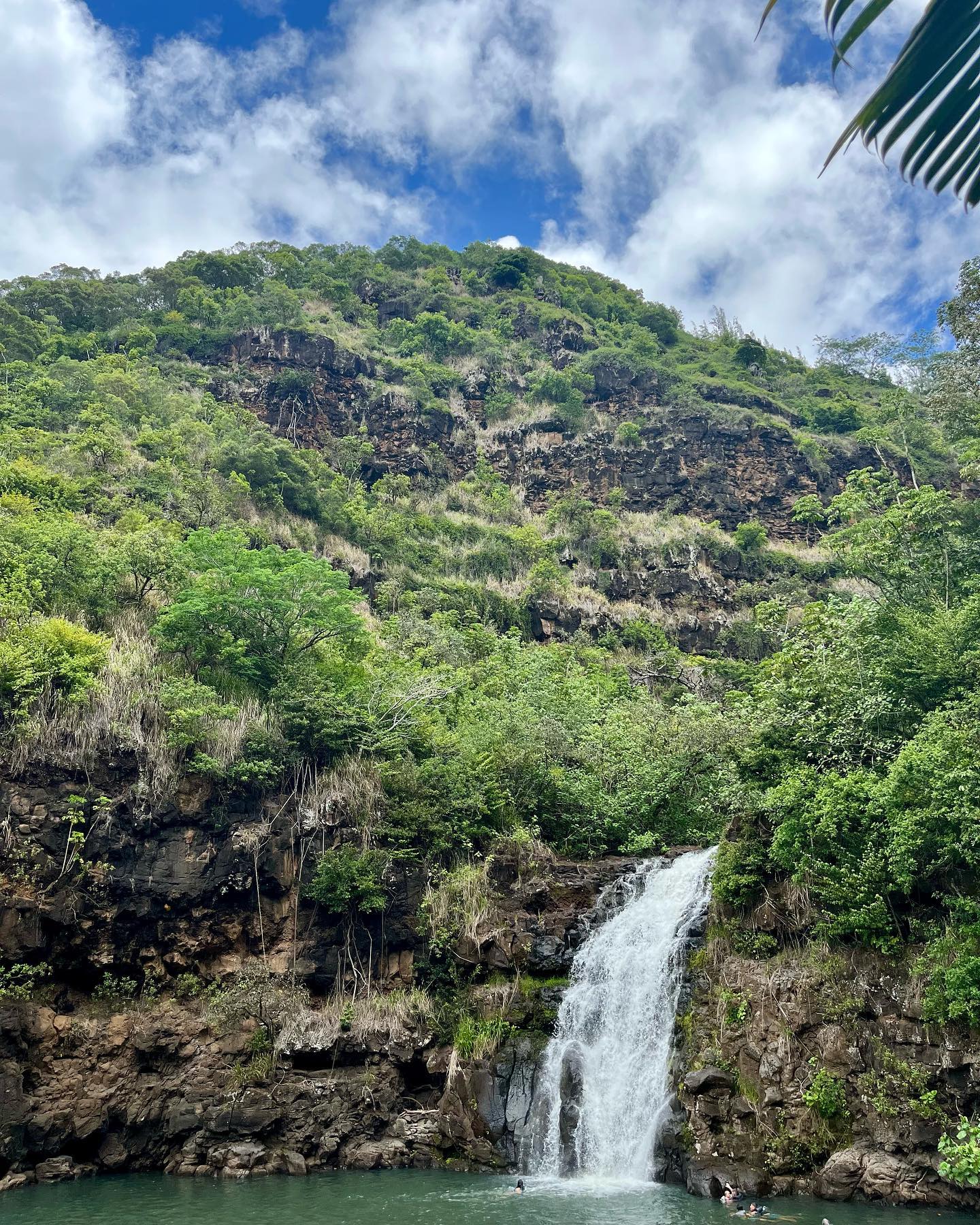
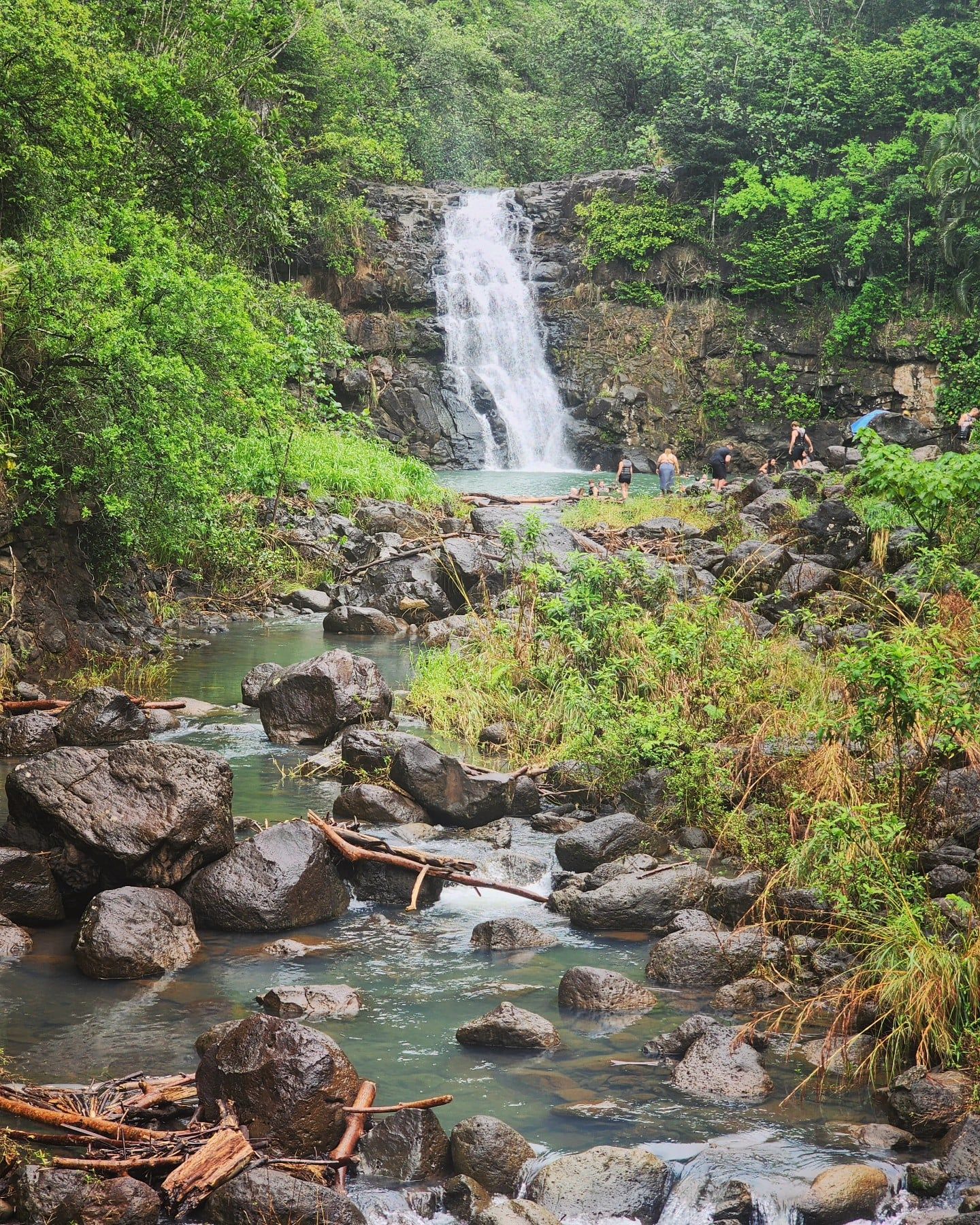
Find Guided ToursWaimea Falls, also known as Waihi Falls, is a 45-foot waterfall on Oahu's North Shore. The cascade is fed by the Kamanui Stream, which originates in the northern Koolau Mountains and flows through a 1,875-acre valley before meeting the Waimea River. Geographically, this area is a traditional ahupuaʻa, a land division extending from the mountains to the sea to provide communities with diverse ecological resources. Today, visitors walk a paved 0.75-mile trail through 60 themed botanical gardens to reach the natural freshwater swimming pool at the base of the falls.
Waimea Valley is a deeply sacred wahi pana, or storied place, holding immense spiritual significance in Hawaiian history. It was a prosperous farming community renowned for cultivating pink taro root stock, a coveted item reserved for the Aliʻi, or Hawaiian elite. The valley contains preserved archaeological structures, including stone terraces, traditional living complexes, and Oahu's largest ancient heiau temple.
Upon the death of high priest Hewahewa in 1837, the valley passed to his granddaughter Paʻalua. She retained about half the land following the 1848 Mahele Land Redistribution Act, but high debts forced her to mortgage and lease the property in 1884. The early 1900s brought periods of ranching, farming, and military occupation. By the 1960s and 1970s, the land operated commercially as the Waimea Falls Ranch and Stables, featuring cliff-diving exhibitions and hula shows.
The site is no longer a commercial amusement park. Today, the Native Hawaiian non-profit organization Hiʻipaka LLC manages the valley. They operate the site as a world-class botanical garden and an ancestral cultural preservation area, protecting its rich history and nutrient-rich volcanic landscape.
Discover the full history and cultural significance on our About page.
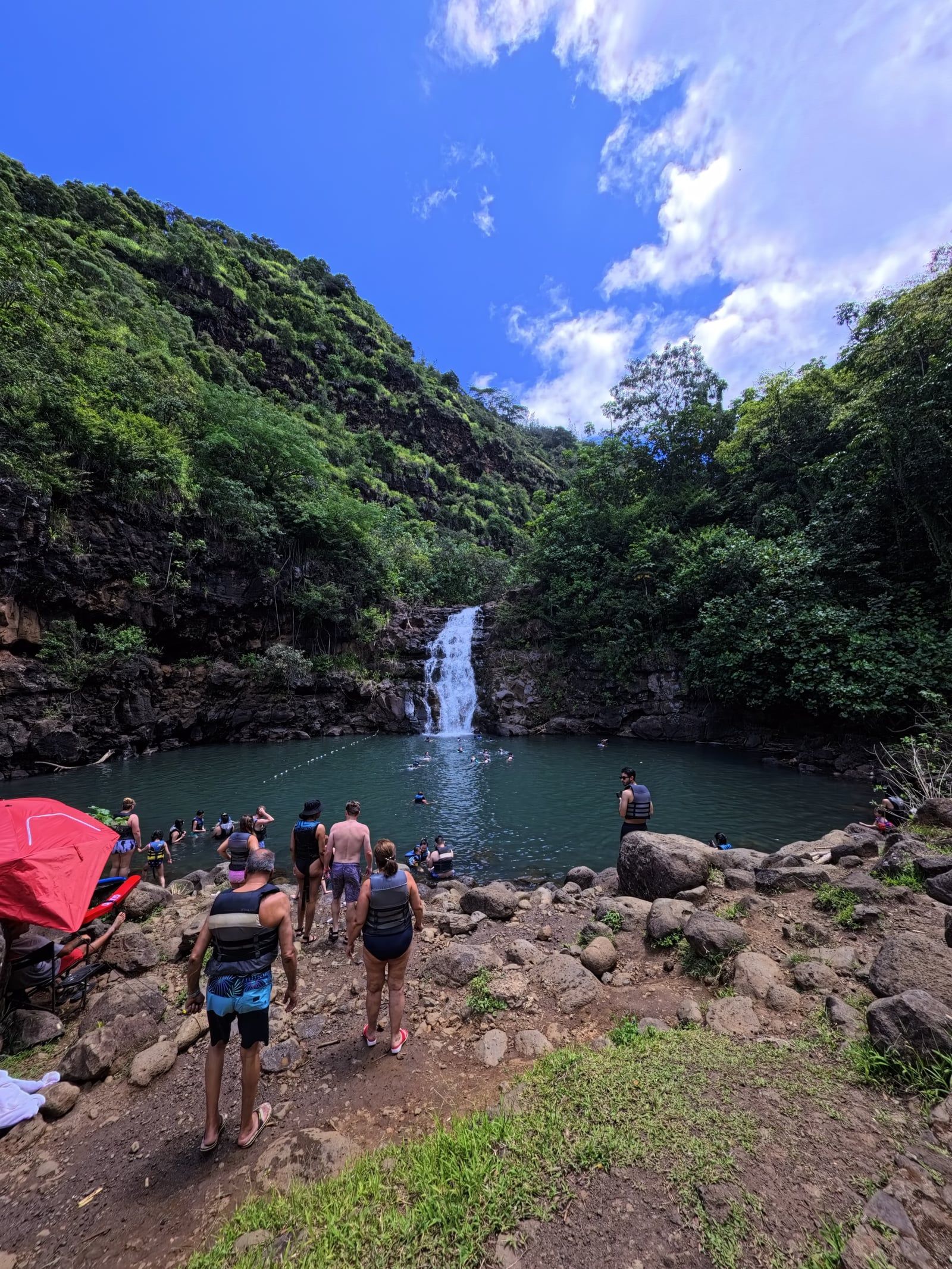
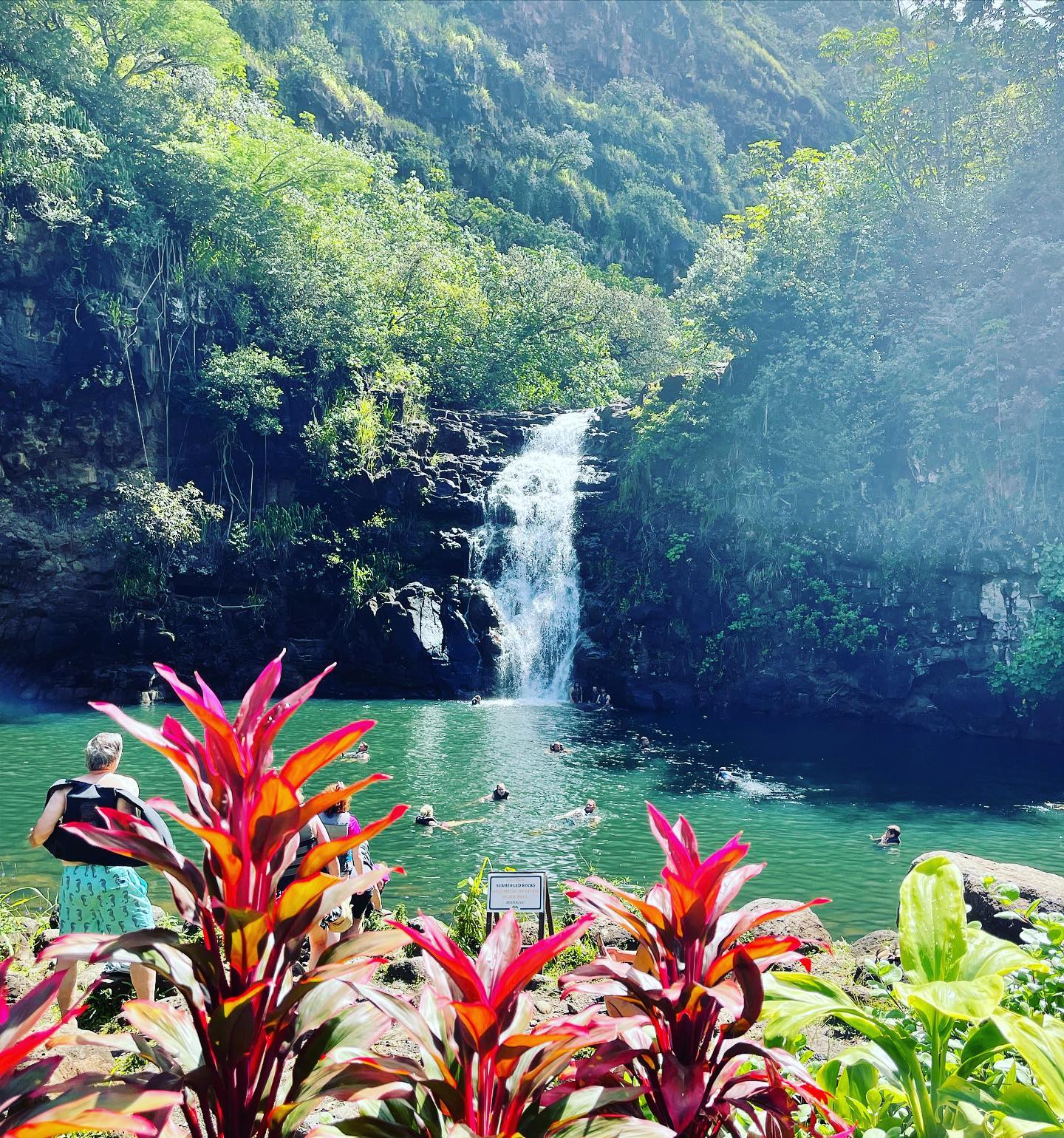
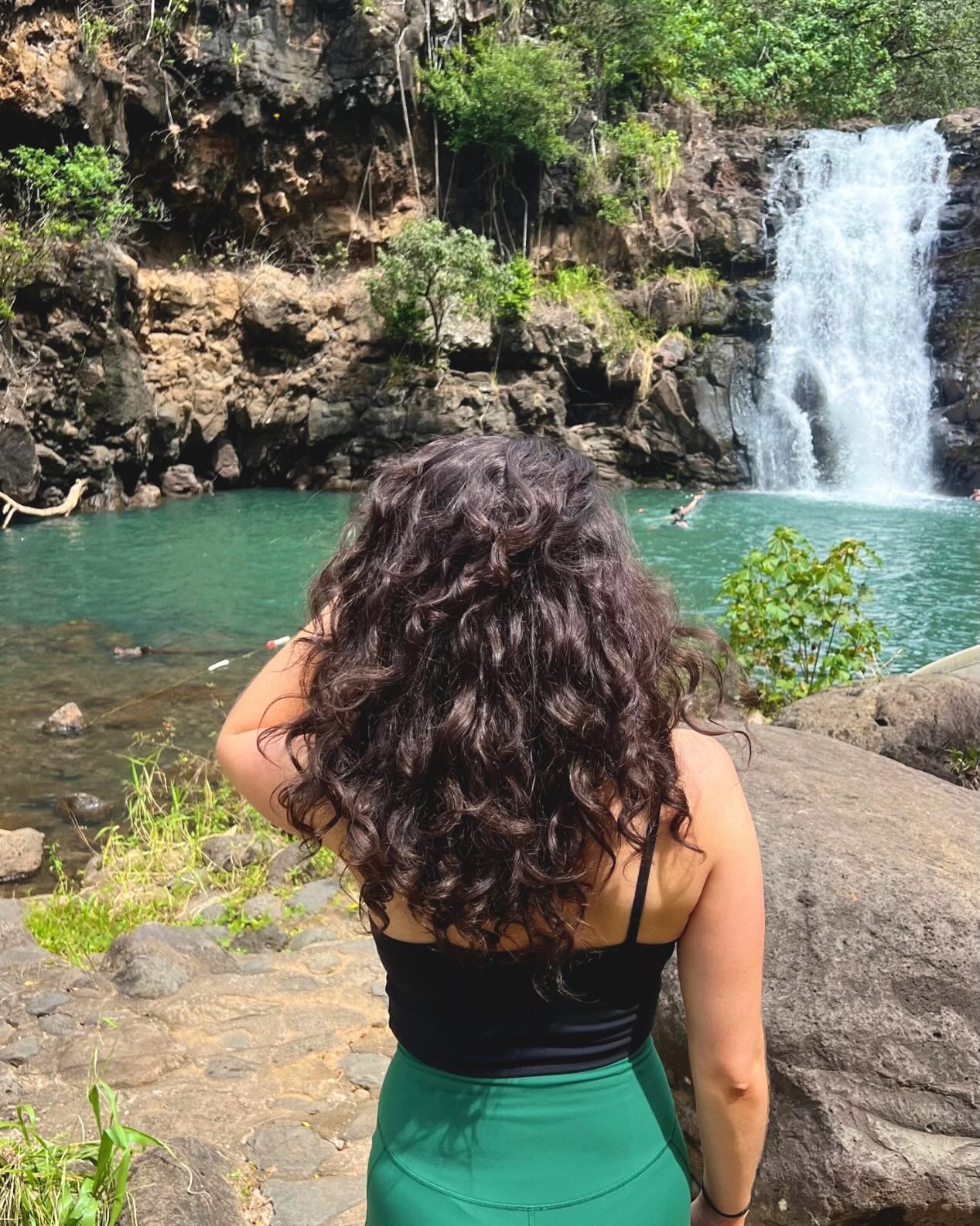
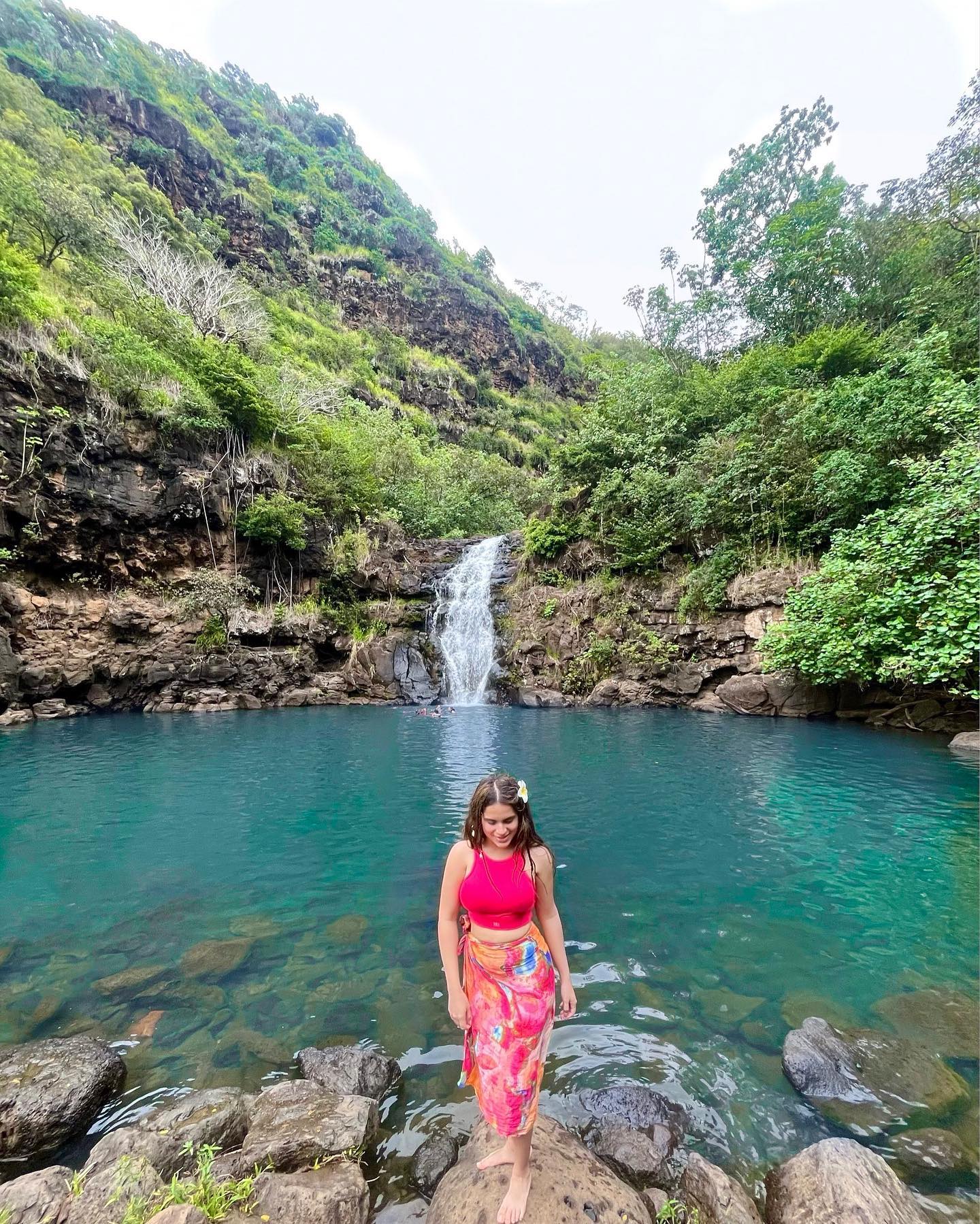
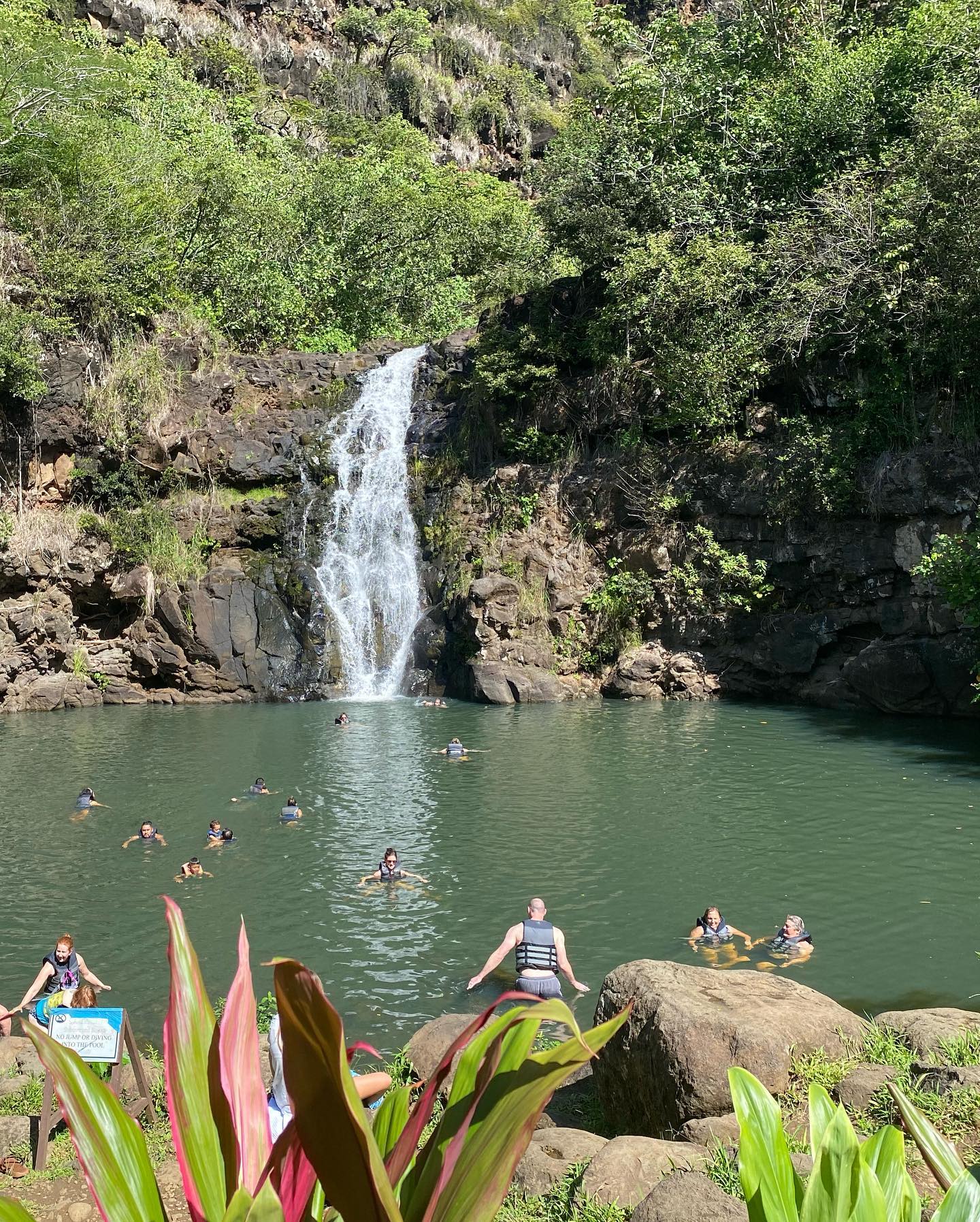
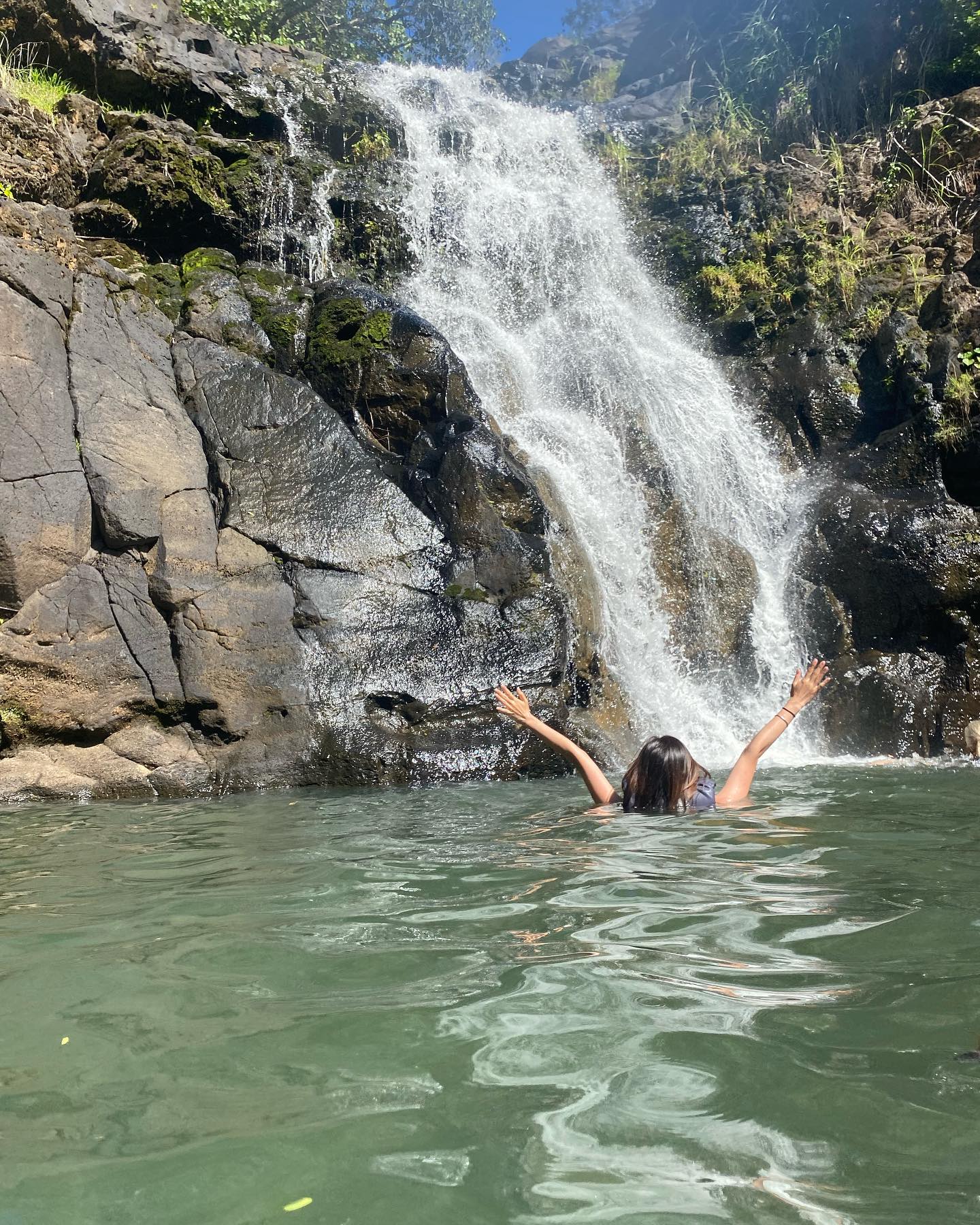
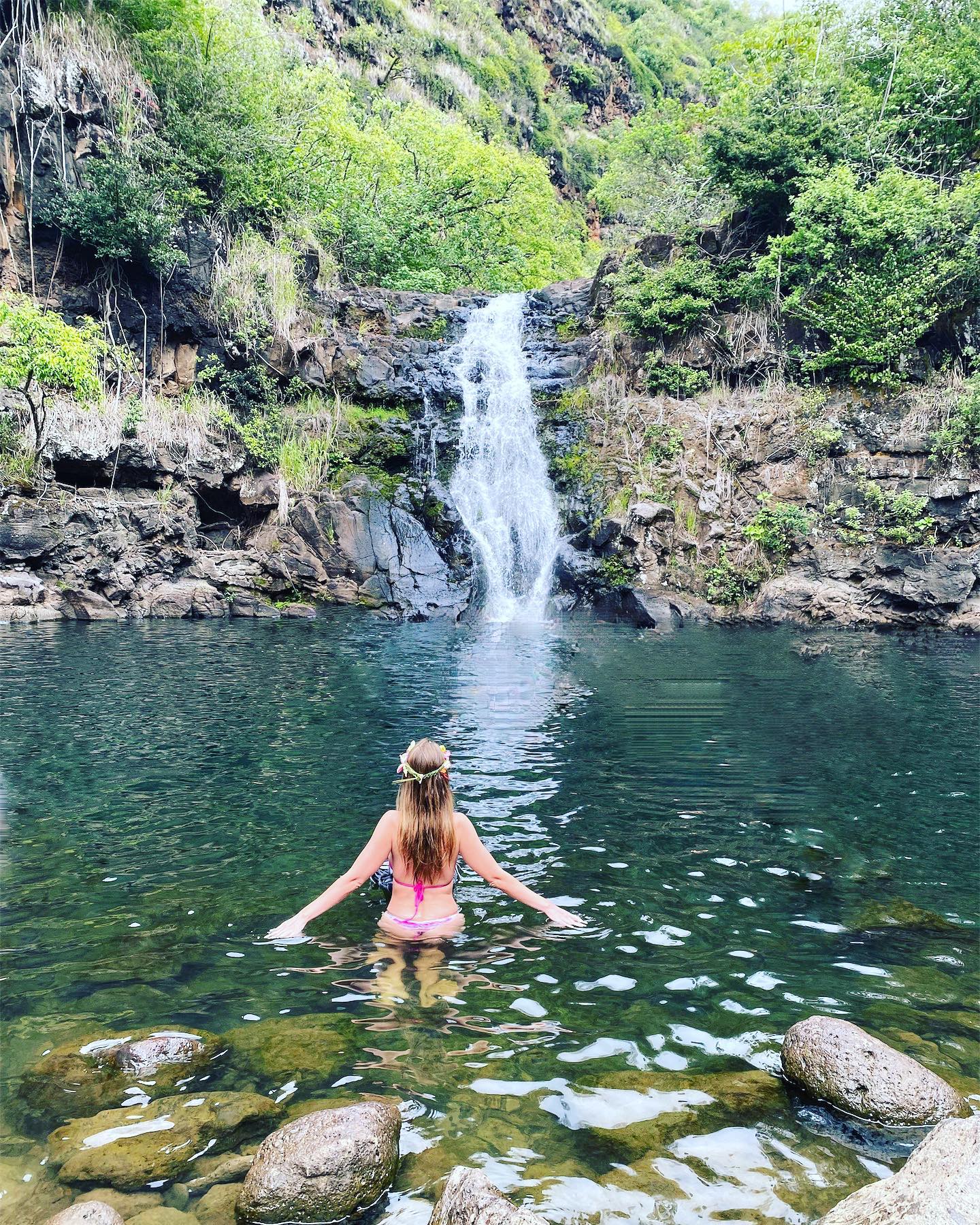
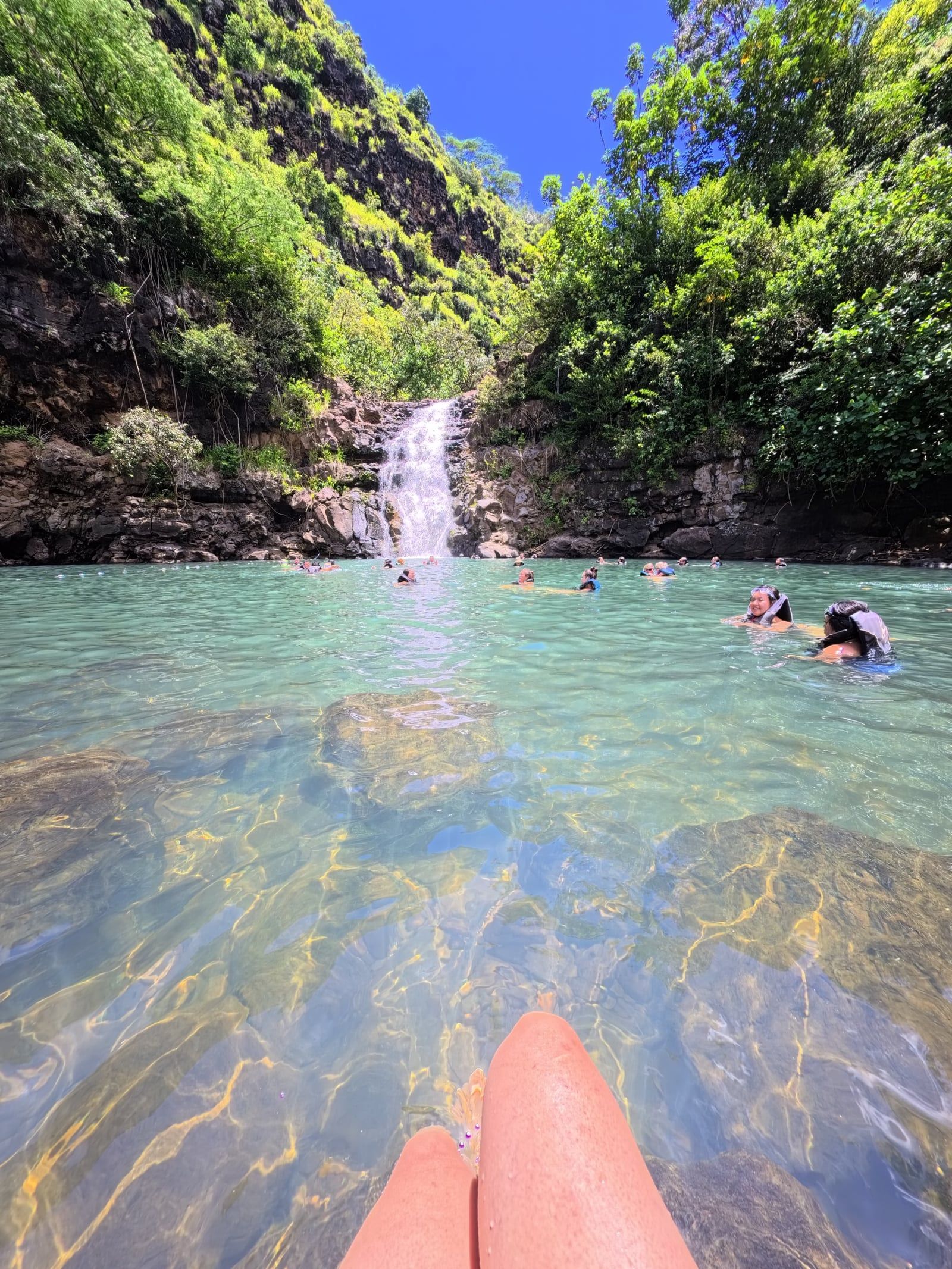
The paved 0.75-mile trail ends at the base of Waimea Falls, where visitors can swim in a cool, deep green freshwater pool that reaches depths of 30 feet. Professional lifeguards monitor the area daily, and all swimmers must wear the life jackets provided free of charge.
The 1,875-acre valley features 60 distinct botanical gardens showcasing rare and native plant species. You can walk the fully paved paths independently or join the free daily botanical tour at 12:30 PM to learn specific details about the unique flora from local experts.
Waimea Valley contains preserved archaeological structures, including a traditional Hawaiian living complex and the stone terraces of Oahu's largest ancient heiau temple. Visitors who check in at Hale Hoʻike and complete a self-guided walk to all designated cultural locations earn a complimentary Cultural Ambassador pin.
The top-rated Toa Lūʻau features authentic island cuisine, live music, hula performances, and a fire knife dance set directly within the sacred valley. Booking tickets for this cultural event in advance automatically includes free general admission to access the botanical gardens and waterfall trail.
Hand-picked tours with free cancellation and verified reviews
 Free Cancellation 9h
  Free Cancellation 8h
  Free Cancellation 8h
  Free Cancellation 3h
  Free Cancellation 9h
  Free Cancellation 8h
  Free Cancellation 8h
  Free Cancellation 7h 30min
 The most favorable time to visit Waimea Falls is during the summer from June through August. This window provides warmer water for swimming at the base of the 45-foot falls and features the Summer Concert Series.
These months fall between the heavy winter rains and the warmer summer season. Visitors enjoy standard access to the 0.75-mile paved trail and 60 themed botanical gardens.
Warmer weather makes swimming in the freshwater pool highly refreshing. Guests can attend the Summer Concert Series featuring live music, though rare dry spells might temporarily reduce waterfall flow.
Visitors avoid the chilly water and surging currents typical of winter. The 1,875-acre valley remains fully accessible for self-guided cultural programs, though the summer concert series has concluded.
Heavy rains often cause the 45-foot waterfall to surge with strong currents, prompting lifeguards to close the pool. The water is also notably chilly compared to other seasons.
Waimea Valley and the falls are open daily from 9:00 AM to 5:00 PM. Operating hours may fluctuate depending on the season. The site is closed completely on Christmas Day and New Year's Day.
| Category | Price |
|---|---|
| General Admission - Adult | $26 |
| General Admission - Senior (62+) & Student (with ID) | $20 |
| General Admission - Child (4-12) | $18 |
| Kamaʻāina (Hawaii Resident) & Military - Adult | $10 |
| Kamaʻāina & Military - Senior (62+) & Student | $8 |
| Kamaʻāina & Military - Child (4-12) | $6 |
| Children (3 and under) | Free |
| Family Annual Pass | $100 |
| Optional Shuttle Service | $10 one-way / $20 round-trip |
Admission tickets are available for purchase online or directly at the Visitor Center. Hawaii residents with a valid state ID can access special promotional days, receiving 50% off admission on Sovereignty Restoration Day and free entry on King Kalākaua’s Birthday. Visitors who book advance tickets for the Toa Lūʻau receive complimentary general admission to Waimea Valley.
For complete schedules and ticket prices, visit our Hours & Fees page.
Waimea Falls is located on Oahu's North Shore, roughly 0.4 miles off Kamehameha Highway. Visitors traveling from Waikiki have several transit options, ranging from independent driving to guided shuttle services.
📍 Waimea Valley, 0.4 miles off Kamehameha Highway near Waimea Bay, North Shore, Oahu, Hawaii
Driving from Waikiki to Waimea Valley is a straightforward option for visitors with rental vehicles. The trip takes between 45 minutes and an hour and a half depending on traffic conditions. Upon arrival, guests will find two designated parking areas located about 0.4 miles off Kamehameha Highway near Waimea Bay. Parking is completely free and included with the price of your admission ticket.
Taking the public bus from Waikiki to the North Shore is a budget-friendly transit method. This route requires multiple transfers and makes for a long commute. Riders should expect the trip to take approximately two hours and 45 minutes each way. While it demands more travel time, it provides an adventurous alternative to driving.
Go Waikiki Shuttle provides a direct, stress-free transportation service from Waikiki hotels to Waimea Valley. Passengers ride in comfortable luxury vehicles, such as Mercedes Sprinter Vans. The company offers a flat-rate roundtrip service that takes roughly one hour each way. Interested visitors must contact the provider directly by phone to confirm current pricing details.
This self-guided shuttle service departs Waikiki at 7:30 AM and includes pickup from four designated locations, such as the Hilton Hawaiian Village or Waikiki Beach Marriott. The shuttle returns from the North Shore at 2:00 PM, arriving back in Waikiki by 3:30 PM. The entire tour spans eight hours. It costs $94.11 per passenger for those aged 13 and older.
For detailed transport options and routes, visit our Directions page.
The rocks surrounding and inside the 45-foot waterfall pool are extremely slick and sharp. Protect your feet from jagged edges by wearing sturdy water shoes or reef walkers. This simple step prevents painful slips while wading into the swimming area.
Swimming access heavily depends on the weather and water quality. Heavy mountain rains can cause dangerous currents, prompting lifeguards to close the pool. Always call the visitor center at (808) 638-7766 after 9:00 AM to confirm the water is open for swimming.
Hawaii's freshwater streams carry a risk of Leptospirosis bacteria. This harmful bacteria enters the body through open wounds or accidental ingestion. Stay out of the pool entirely if you have any cuts, and strictly avoid swallowing the water during your swim.
The paved 0.75-mile path to the falls features a gentle but continuous uphill slope. If you have mobility concerns, an optional shuttle service operates along the trail. Tickets cost $10 for a one-way ride or $20 for a round-trip ticket.
Waimea Valley gets progressively busier by midday. Plan to arrive right when the gates open at 9:00 AM for a quieter walk through the botanical gardens. Early arrival also ensures a much less crowded swimming environment at the waterfall pool.
You will need a secure place for your belongings while in the water. Convenient locker rentals and changing areas are located directly near the waterfall. Use these facilities to safely store dry clothes, wallets, and electronic devices during your swim.
Located just across the highway, this world-famous bay is known for its massive winter surf waves. During the calmer summer months, visitors frequent the sandy beach for swimming and rock jumping.
This historic surf town serves as the social hub of the North Shore. Visitors can explore local boutiques and art galleries before enjoying famous regional eats like shave ice and fresh burgers.
This nearby marine conservation area is a highly popular destination for snorkeling and tide-pooling. The rocky cove contains shallow waters where visitors often view tropical fish and sea turtles.
Read what travelers share about their experience visiting Waimea Falls — from practical tips to personal highlights.
General admission is $26 for adults, $20 for seniors and students, and $18 for children aged 4 to 12. You do not need a special permit to enter, and tickets can be purchased either online or directly at the Visitor Center.
The hike is a 1.5-mile round-trip walk along a paved, mostly flat path. Most visitors take 1 to 2 hours to complete the walk and view the botanical gardens along the way.
The valley is open daily from 9:00 AM to 5:00 PM. Arriving right at 9:00 AM helps you avoid midday crowds, though the park is closed entirely on Christmas Day and New Year's Day.
Driving takes 45 to 90 minutes, and free parking is available on-site. Alternatively, you can take the public bus for a two-hour and 45-minute ride, or book a private shuttle service that takes about one hour.
Bring a swimsuit and water shoes with a sturdy grip to navigate the jagged rocks at the bottom of the waterfall pool. You should also pack bug spray, reef-safe sunscreen, and a light rain jacket.
Yes, the 0.75-mile trail to the falls is fully paved, wide, and features gentle slopes suitable for wheelchairs and mobility scooters. There are accessible restrooms and a viewing deck, though there is no handicap access directly into the swimming pool.
An optional shuttle service operates for visitors who prefer not to walk the 0.75-mile path. The ride costs $10 per person for a one-way trip or $20 for a round-trip.
Swimming is permitted when conditions are safe, and lifeguards make a daily safety call at 9:00 AM. All swimmers must wear a life jacket, which is provided free of charge at the falls.
Browse verified tours with free cancellation and instant confirmation.
Find Tours